How to Clean Upholstery Without Damaging Fabric
323 Cleaning
323 Cleaning Guide
Upholstery cleaning mistakes cost Charlotte homeowners hundreds of dollars every year in damaged furniture. That wine stain on your favorite sectional or the mystery odor clinging to your dining chairs doesn't have to mean permanent damage or expensive replacements. Learning how to clean upholstery properly protects your investment while keeping your home fresh and inviting.
The secret lies in understanding your fabric type before you grab any cleaning solution. Different materials respond to different treatments, and what works perfectly on microfiber can destroy silk or velvet. This guide gives you the knowledge to tackle stains confidently while preserving the beauty and integrity of your furniture.

Understanding Your Upholstery Cleaning Code
Every piece of upholstered furniture comes with a cleaning code tag, usually tucked under the cushions or on the underside of the piece. These single letters hold the key to safe cleaning. W means water-based cleaners are safe, S indicates solvent-based cleaners only, WS allows either method, and X means vacuum only with no liquids.
Ignoring these codes leads to disaster. Water on an S-coded fabric causes permanent water rings and shrinkage. Solvents on W-coded materials can strip color and weaken fibers. If you've lost the tag or it's unreadable, test any cleaning method on a hidden area first or consult a professional cleaning service in the Charlotte area who can identify your fabric type accurately.
Natural Fabrics Need Gentle Care
Cotton, linen, and wool upholstery respond well to mild, pH-neutral cleaners but can shrink or fade with harsh chemicals. Always use cool water and blot rather than rub to prevent fiber damage and color bleeding.
Synthetic Fabrics Offer More Flexibility
Polyester, nylon, and microfiber handle cleaning better than natural materials and resist staining. These fabrics typically carry a W or WS code, making them ideal for households with kids or pets in Matthews and Huntersville.
Delicate Materials Require Professionals
Silk, velvet, and antique upholstery should never be DIY projects. These materials require specialized knowledge and equipment that most homeowners don't possess, making professional cleaning the only safe option.
Your Step-by-Step Upholstery Cleaning Checklist
- Locate and read the cleaning code tag on your furniture before starting
- Vacuum thoroughly using the upholstery attachment to remove loose dirt and debris
- Test your chosen cleaning solution on a hidden area and wait 24 hours
- Blot fresh stains immediately with a clean white cloth, working from outside edges inward
- Mix your cleaning solution according to fabric code requirements
- Apply cleaner sparingly using a spray bottle, never pouring directly on fabric
- Work in small sections using gentle circular motions with a soft brush
- Blot cleaned areas with dry white cloths to remove moisture and loosened dirt
- Allow furniture to air dry completely before use, improving ventilation if needed
- Vacuum again once dry to restore texture and remove any remaining residue
Note: Never saturate upholstery with liquid. Excess moisture seeps into cushion foam, creating mold and mildew problems that are nearly impossible to fix without professional intervention.
Professional Upholstery Cleaning in Charlotte
Some stains and odors require professional equipment and expertise. Our team serves Charlotte, Waxhaw, Mint Hill, and surrounding areas with safe, effective upholstery cleaning that extends furniture life.
Upholstery Cleaning Questions Answered
What Our Clients Say
Ashley
Suzy
Tatyana
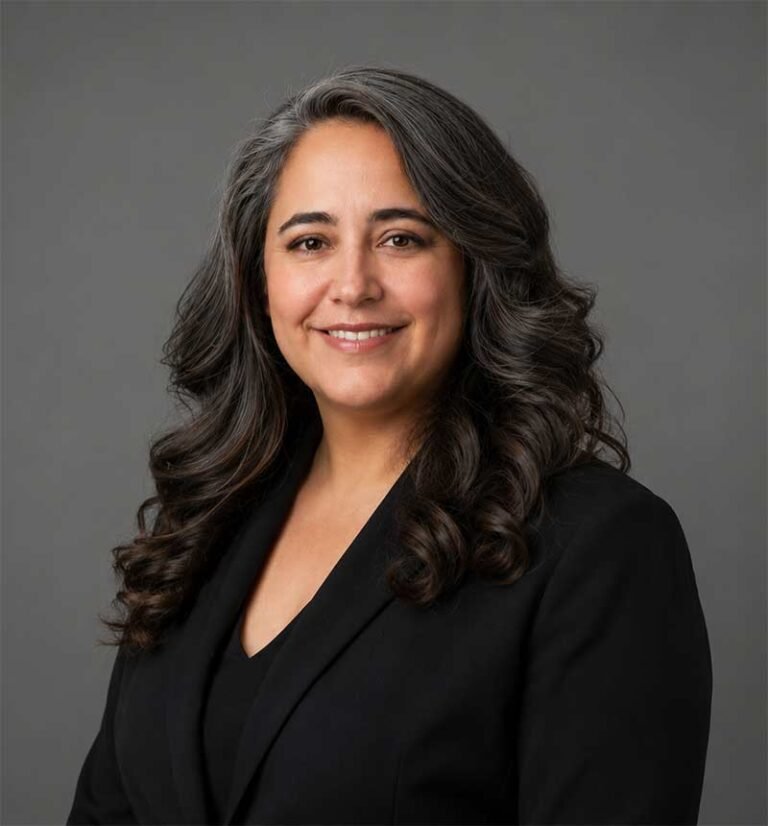
Hi, we’re 323 Cleaning
We are Jorge and Gisele, founders of 323 Cleaning. For over two decades our family-owned team has served Charlotte and the surrounding communities with honest, detail-focused work. Guided by Colossians 3:23, we treat every home as if it were our own.